
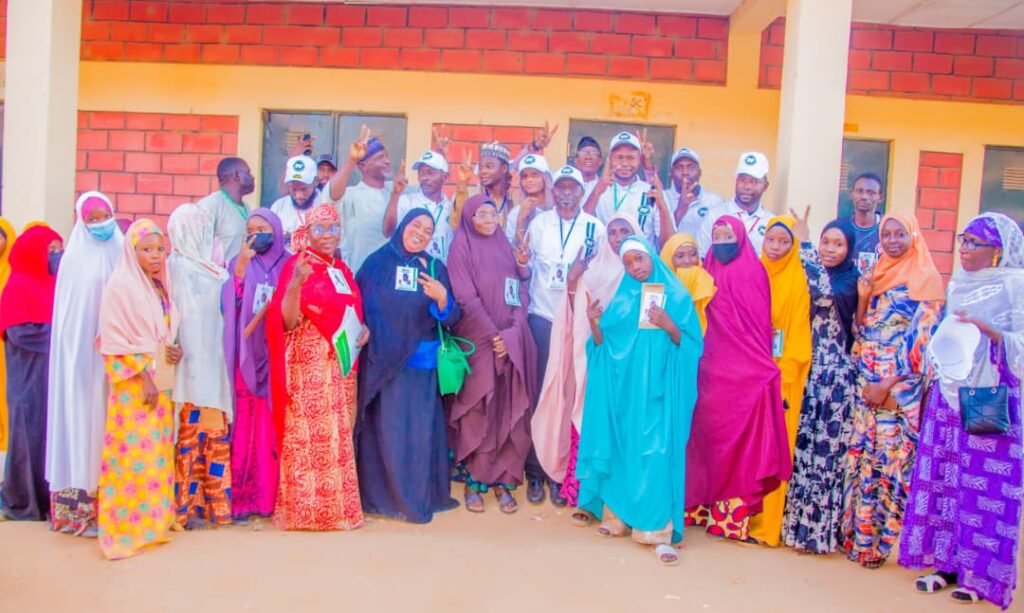
Easing the Hardship of Economic Reforms Under the Renewed Hope Agenda
Economic reforms are often necessary to reposition a nation for long-term growth, stability, and prosperity. However, while these reforms are designed to create a stronger economic future, they can also bring short-term hardships, especially for low-income households and vulnerable groups. Across Nigeria, many families have had to adjust to rising living costs and changing economic realities. In Kaduna State, women in vulnerable communities are among those most affected. To address these challenges, targeted cash empowerment initiatives are becoming a critical tool for social support and economic inclusion under the Renewed Hope Agenda of President Bola Ahmed Tinubu.
The Renewed Hope Agenda emphasizes economic recovery, poverty reduction, social investment, and inclusive development. One of its key priorities is ensuring that vulnerable Nigerians are not left behind during the implementation of economic reforms. Women, especially widows, single mothers, elderly women, women living with disabilities, and rural petty traders, remain at the center of this intervention because they play a significant role in sustaining families and communities.
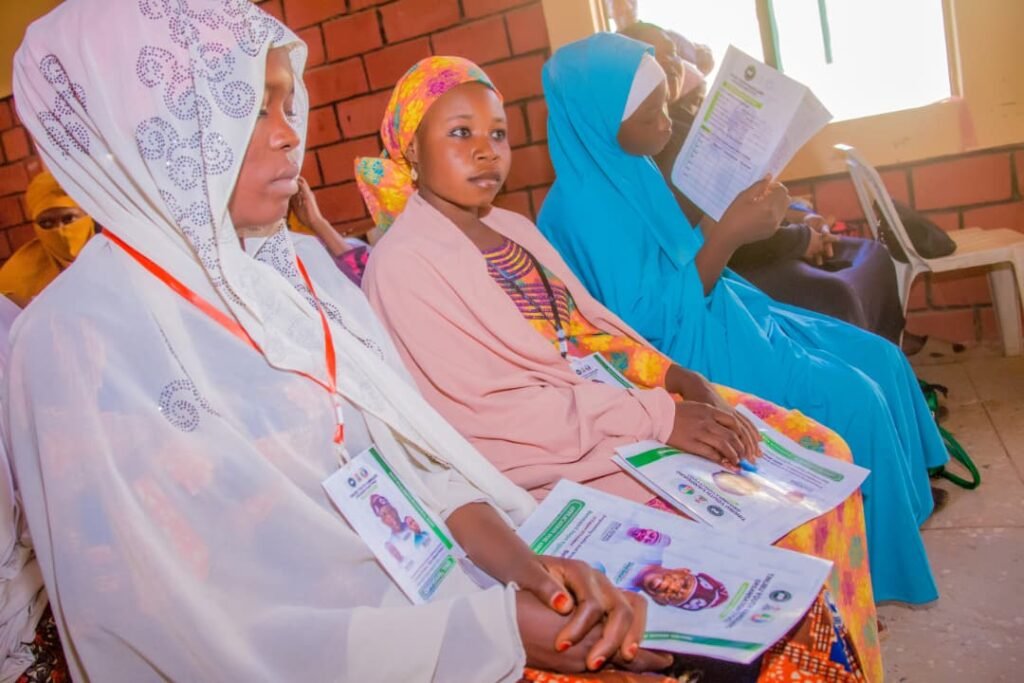
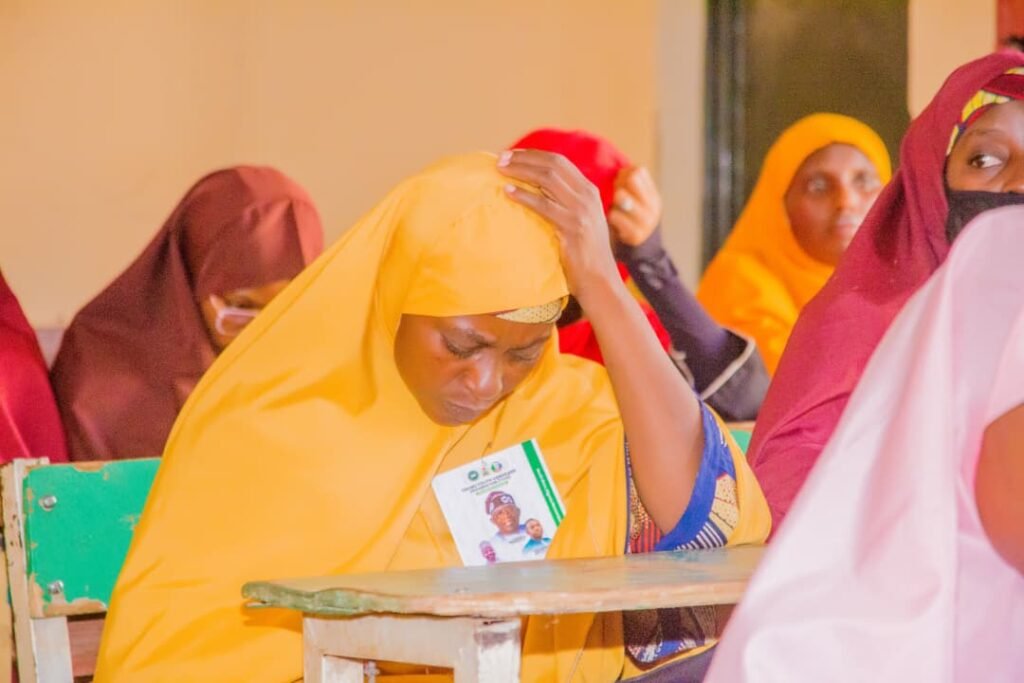
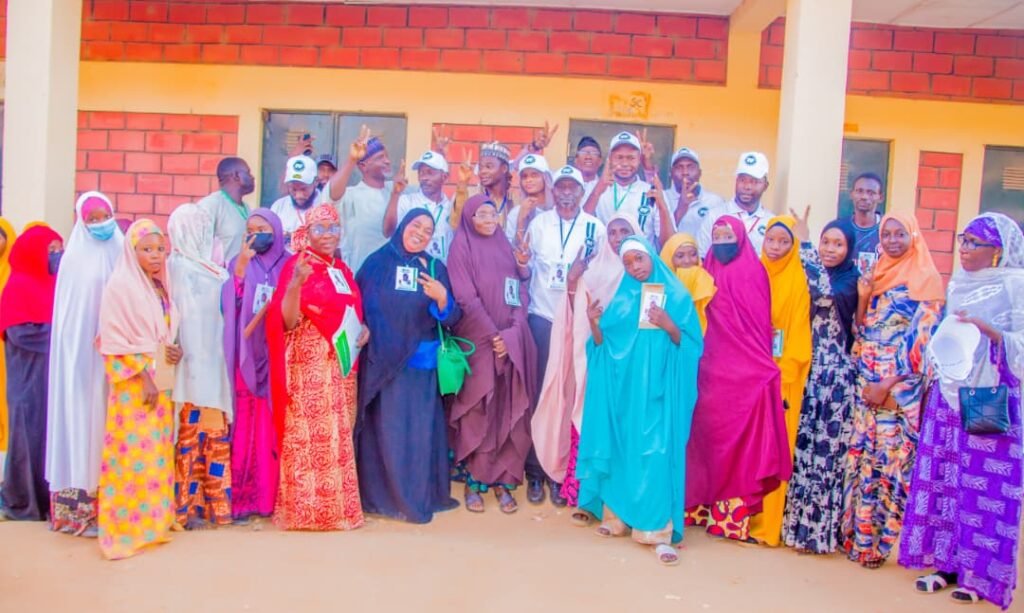
In Kaduna State, cash empowerment programs aimed at vulnerable women are helping to cushion the effects of economic hardship while promoting dignity, resilience, and financial independence. These interventions are more than temporary relief measures; they are strategic investments in human capital development and grassroots economic stability.
For many women in Kaduna communities, the rising cost of food, transportation, healthcare, and education has made daily survival increasingly difficult. Small-scale businesses that once provided basic income are struggling due to inflation and reduced purchasing power. Women who depend on petty trading, local farming, tailoring, food vending, and other informal economic activities often lack access to credit facilities or financial support. As a result, many families are unable to meet their most essential needs.
Cash empowerment initiatives directly address these concerns by providing immediate financial assistance to women who need it most. Unlike traditional aid programs that may involve lengthy processes or limited flexibility, direct cash support allows beneficiaries to decide how best to meet their urgent needs. Some women use the funds to restock their small businesses, while others purchase food items, pay children’s school fees, access medical care, or invest in agricultural activities.
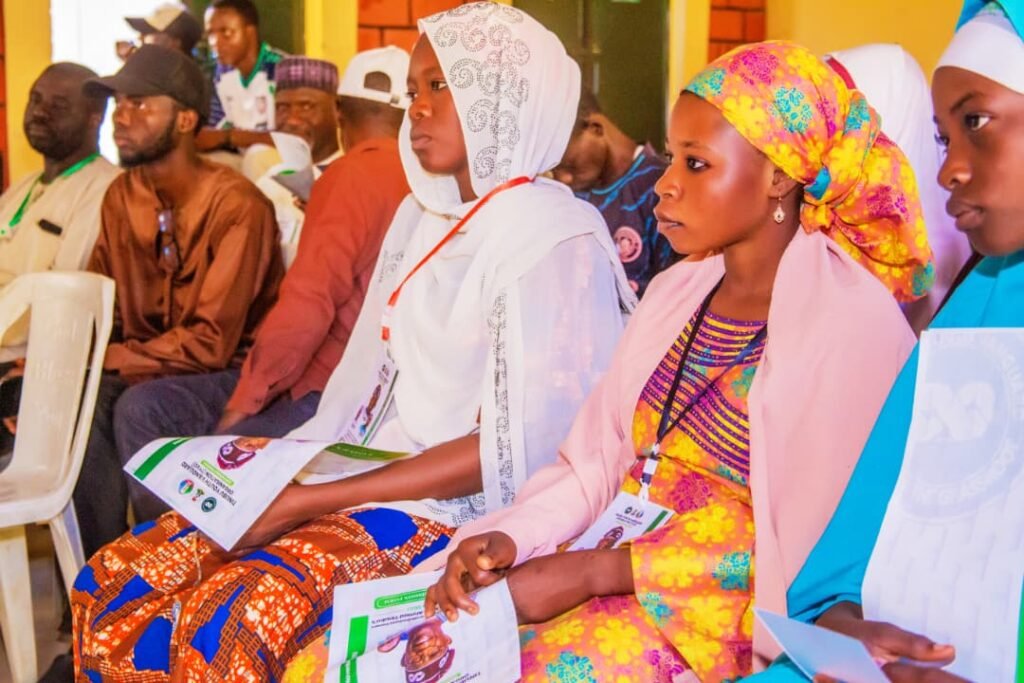
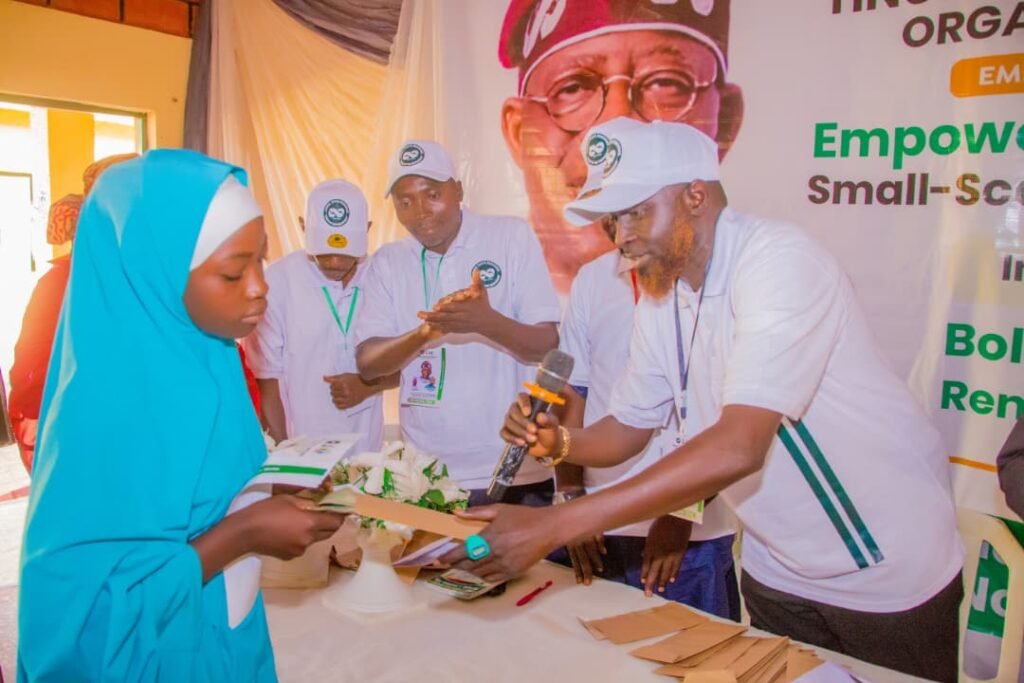
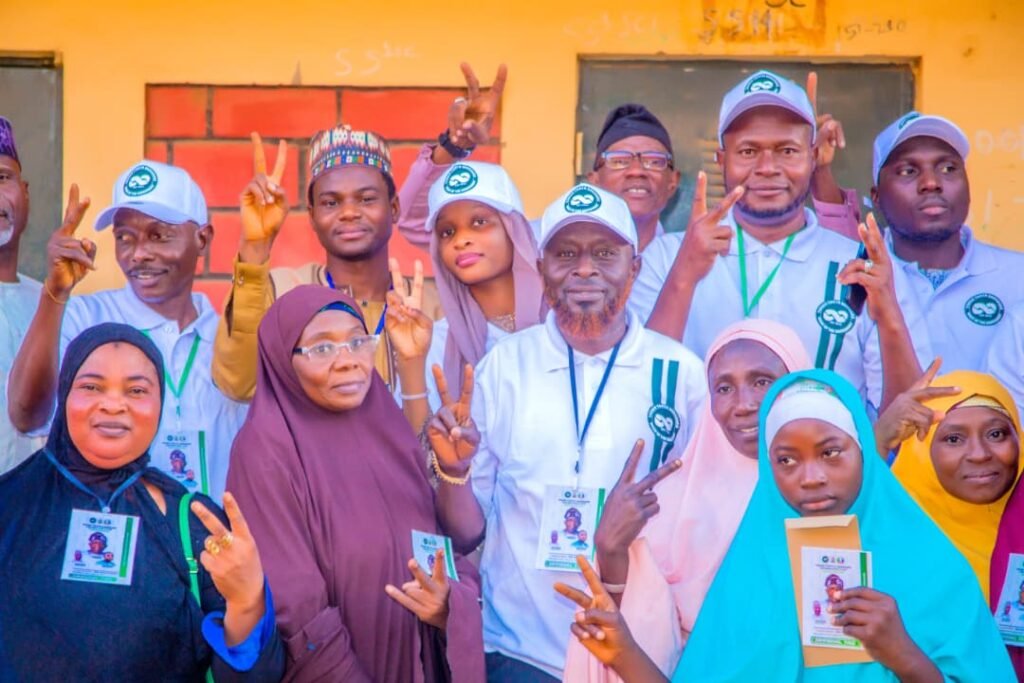
The impact of cash empowerment goes beyond financial assistance. It restores hope and confidence among vulnerable women who may feel forgotten or marginalized. When women are economically empowered, entire households benefit. Children are more likely to remain in school, nutrition improves, healthcare access increases, and local businesses become more active. Empowered women also contribute to peace and social stability within their communities.
Kaduna State has long been recognized for its strategic role in Northern Nigeria’s economic and agricultural development. However, many rural and underserved communities continue to face poverty-related challenges. Women in these areas often bear the heaviest burden of economic hardship because they are responsible for caregiving, household management, and income generation at the same time. This is why targeted social intervention programs are essential to ensuring inclusive growth.
Under the Renewed Hope Agenda, the Federal Government’s focus on social investment programs reflects a broader commitment to protecting vulnerable citizens during periods of economic transition. The administration recognizes that meaningful reforms must be accompanied by support systems that reduce suffering and create pathways for sustainable livelihoods. Cash empowerment initiatives in Kaduna State demonstrate this balanced approach by combining economic reform with social protection.
Transparency and accountability are also important components of successful cash empowerment programs. To achieve maximum impact, beneficiaries must be carefully identified through credible community structures and verification processes. Partnerships with local leaders, women associations, civil society organizations, and development agencies help ensure that support reaches genuine beneficiaries. Monitoring and evaluation mechanisms are equally necessary to track outcomes and improve future interventions.
Beyond emergency support, there is also a need to integrate financial literacy, vocational training, and entrepreneurship development into empowerment programs. Providing cash assistance alone may offer temporary relief, but combining it with skills acquisition and business support can create lasting economic transformation. Women who receive training in areas such as tailoring, soap making, food processing, digital marketing, poultry farming, or small-scale agriculture can become more self-reliant and economically productive.
Access to microcredit and cooperative support systems can further strengthen these efforts. Many vulnerable women in Kaduna State have entrepreneurial potential but lack access to affordable financing. By connecting beneficiaries to cooperative societies and low-interest loan schemes, empowerment programs can help women expand their businesses and create additional sources of income. This not only improves household welfare but also contributes to local economic growth and job creation.
Community participation is another vital factor in sustaining empowerment initiatives. When communities are actively involved in program implementation, there is greater trust, ownership, and transparency. Religious leaders, traditional rulers, youth groups, and women leaders all have roles to play in supporting vulnerable women and promoting social inclusion. Collective community support helps reduce stigma and encourages beneficiaries to use the assistance productively.
Importantly, cash empowerment programs also align with global development goals related to poverty reduction, gender equality, and economic inclusion. Supporting vulnerable women contributes directly to sustainable development because women are central to family welfare and community resilience. Investing in women means investing in stronger communities and a more stable society.
As Nigeria continues its journey toward economic recovery and reform, social protection initiatives must remain a top priority. Economic growth cannot be meaningful if vulnerable citizens are excluded from its benefits. The cash empowerment of vulnerable women in Kaduna State represents a compassionate and practical response to current economic realities. It reflects the understanding that reforms must not only focus on macroeconomic indicators but also on the everyday lives of ordinary Nigerians.
The Renewed Hope Agenda offers a vision of a more inclusive and prosperous Nigeria where no citizen is left behind. Through targeted cash support and empowerment programs, vulnerable women in Kaduna State are receiving not just financial assistance, but renewed dignity, confidence, and hope for a better future. With sustained commitment, transparency, and community collaboration, these interventions can continue to uplift families, strengthen local economies, and build a more resilient society for generations to come.