
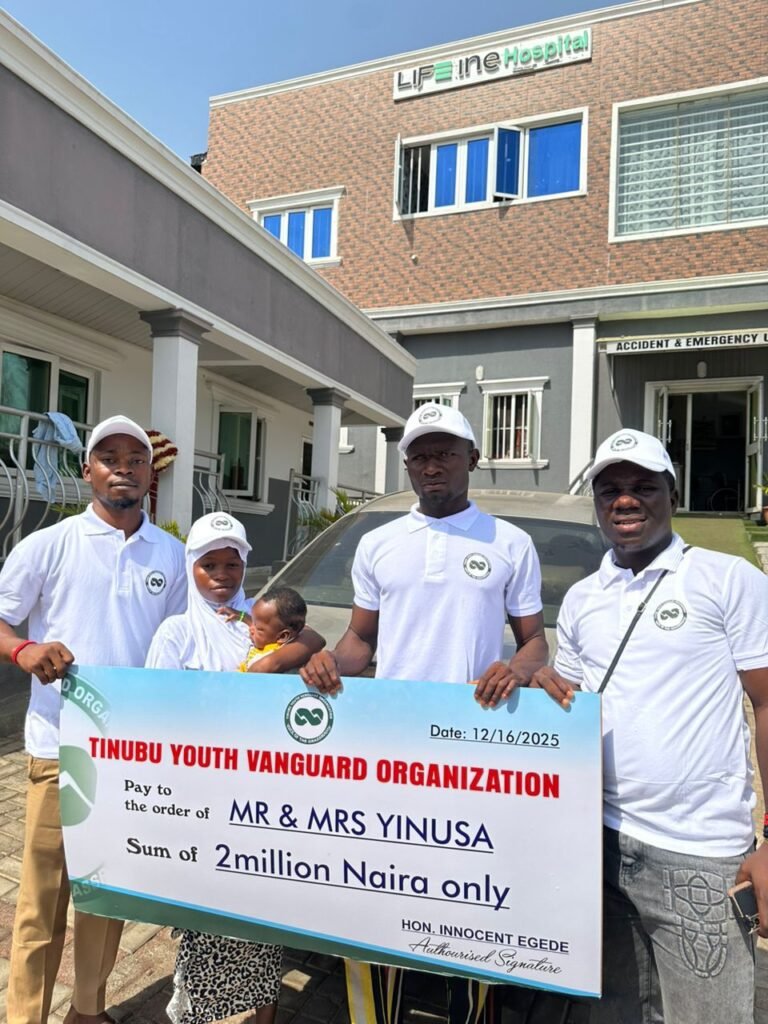
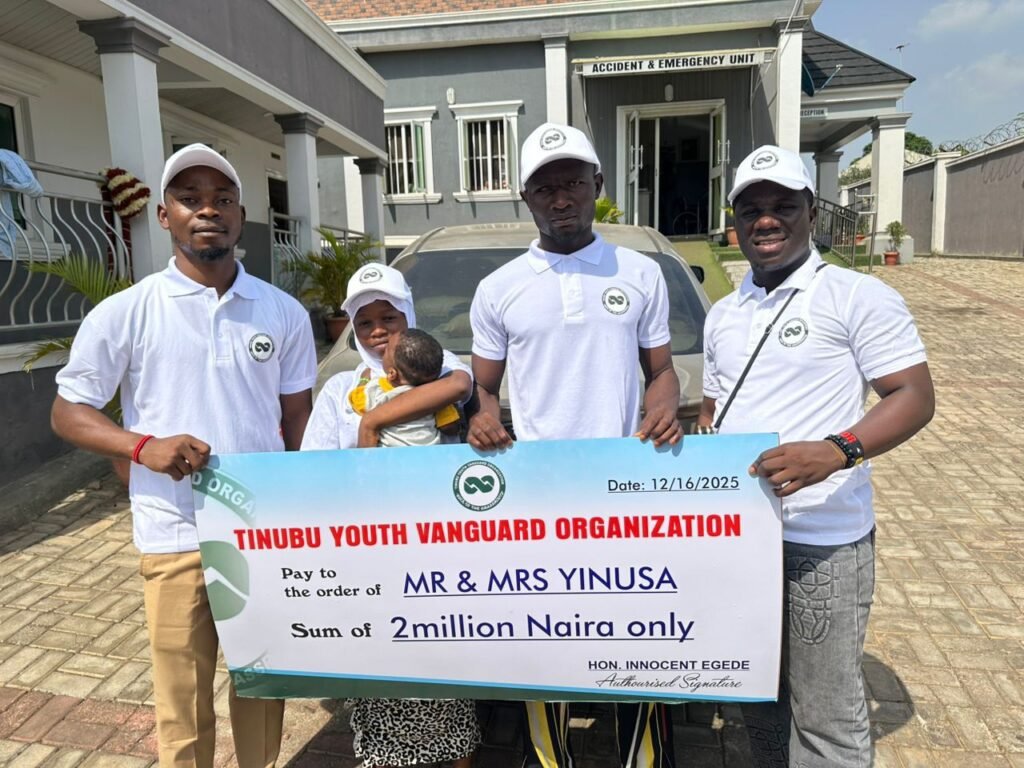
In a remarkable act of compassion and social responsibility, an empowerment initiative has brought hope and relief to a 16-year-old indigene mother in Osun State who was reportedly held at a hospital due to her inability to settle medical bills after childbirth. The intervention, which included a cash donation of two million naira, has not only secured the young mother’s freedom and medical welfare but has also reignited conversations around maternal healthcare, poverty, and the urgent need for stronger social support systems in Nigeria.
The heartbreaking story of the teenage mother drew public attention after reports emerged that she had been detained at LifeLine Hospital in Osogbo following her delivery because her family could not afford to pay the hospital expenses. The situation sparked widespread sympathy among citizens, humanitarian groups, and advocates for women and children’s welfare. Many Nigerians expressed concern over the growing number of vulnerable women facing similar hardships, especially in a period of economic difficulty and rising healthcare costs.
For the young mother, what should have been a joyful moment of welcoming a newborn child became a painful experience marked by fear, uncertainty, and emotional distress. At just 16 years old, she found herself navigating motherhood under extremely difficult conditions. Without sufficient financial support, she became trapped in a situation that highlighted the harsh realities many low-income families face when trying to access quality healthcare services.
The intervention through the empowerment program came at a critical time. The donation of ₦2 million was aimed not only at clearing her outstanding hospital bills but also at helping her begin a new chapter of stability and hope. The financial support is expected to assist with the welfare of both mother and child, including accommodation, nutrition, healthcare, childcare needs, and opportunities for education or vocational development.
This gesture demonstrates the powerful impact that timely humanitarian interventions can have in transforming lives. Beyond the financial value of the donation, the support sends a strong message about compassion, dignity, and the importance of protecting vulnerable members of society. It reflects the growing recognition that no woman, especially a teenage mother, should be subjected to humiliation or prolonged suffering because of poverty.
Across Nigeria, maternal healthcare remains a major challenge for many families. High medical costs, inadequate healthcare infrastructure, and widespread poverty continue to place pregnant women at risk. In rural and low-income communities, many women delay seeking medical care or resort to unsafe alternatives because they cannot afford hospital expenses. Cases of hospital detention over unpaid bills have repeatedly generated public concern and raised ethical questions about access to healthcare services.
For teenage mothers, the situation is often even more difficult. Many young mothers face social stigma, interrupted education, financial dependency, and emotional trauma. Without proper support systems, they are vulnerable to long-term poverty and social exclusion. This is why empowerment programs targeting vulnerable women and young mothers are essential for building a more compassionate and inclusive society.
The cash donation to the 16-year-old mother in Osun State represents more than charity; it is an investment in human dignity and social justice. It acknowledges the need to support young women facing difficult circumstances and offers them a chance to rebuild their lives with hope and confidence. Empowerment initiatives such as this can help vulnerable individuals move from crisis to stability while restoring their sense of belonging and self-worth.
The incident also highlights the importance of strengthening maternal and child healthcare policies in Nigeria. There is an urgent need for improved social health insurance coverage, emergency medical support systems, and stronger protections for indigent patients. Pregnant women and nursing mothers should have access to affordable and quality healthcare services without fear of discrimination or detention due to financial hardship.
Government institutions, healthcare providers, non-governmental organizations, and private individuals all have important roles to play in addressing these issues. Public-private partnerships can help expand access to maternal healthcare services, while social intervention programs can provide targeted support to vulnerable families. Communities must also work together to create safer and more supportive environments for teenage mothers and disadvantaged women.
In addition to financial support, empowerment programs should focus on long-term rehabilitation and development opportunities for beneficiaries. For the young mother in Osun State, educational support and vocational training could play a transformative role in securing her future. Ensuring that she can continue her education or acquire practical skills will help her achieve financial independence and provide a better future for her child.
Mentorship and counseling services are equally important. Teenage mothers often face emotional and psychological challenges that require compassionate guidance and support. By connecting beneficiaries to counselors, social workers, and community mentors, empowerment programs can help them regain confidence and make informed decisions about their future.
The role of community support cannot be overstated. Acts of kindness from individuals, organizations, and religious groups continue to make significant differences in the lives of vulnerable Nigerians. In times of hardship, collective compassion becomes a powerful force for healing and transformation. The support extended to the young mother in Osun State serves as a reminder that society must continue to stand with the vulnerable rather than condemn or neglect them.
Social media and public advocacy also played an important role in drawing attention to the young mother’s situation. In recent years, digital platforms have become powerful tools for raising awareness, mobilizing support, and amplifying the voices of vulnerable individuals. Public engagement can encourage faster interventions and hold institutions accountable in situations involving human rights and humanitarian concerns.
While the ₦2 million donation has brought immediate relief, it also raises broader questions about the systemic challenges facing healthcare access in Nigeria. Sustainable reforms are necessary to ensure that vulnerable citizens are protected from preventable suffering. Expanding social welfare programs, improving public healthcare funding, and implementing compassionate patient care policies are critical steps toward building a more humane healthcare system.
Ultimately, the empowerment program for the 16-year-old mother in Osun State stands as a symbol of hope, empathy, and social responsibility. It demonstrates that even in difficult times, collective action and compassion can restore dignity and transform lives. The intervention has not only changed the story of one young mother but has also inspired renewed conversations about the importance of protecting vulnerable women and children across the country.
As Nigeria continues to confront economic and social challenges, initiatives that prioritize humanity, inclusion, and support for the disadvantaged remain essential. Every woman deserves safe and respectful maternal care, regardless of her financial status. Every child deserves a chance at life without the burden of poverty and neglect. Through sustained empowerment efforts and compassionate leadership, society can continue to create opportunities for healing, growth, and renewed hope for vulnerable families everywhere.